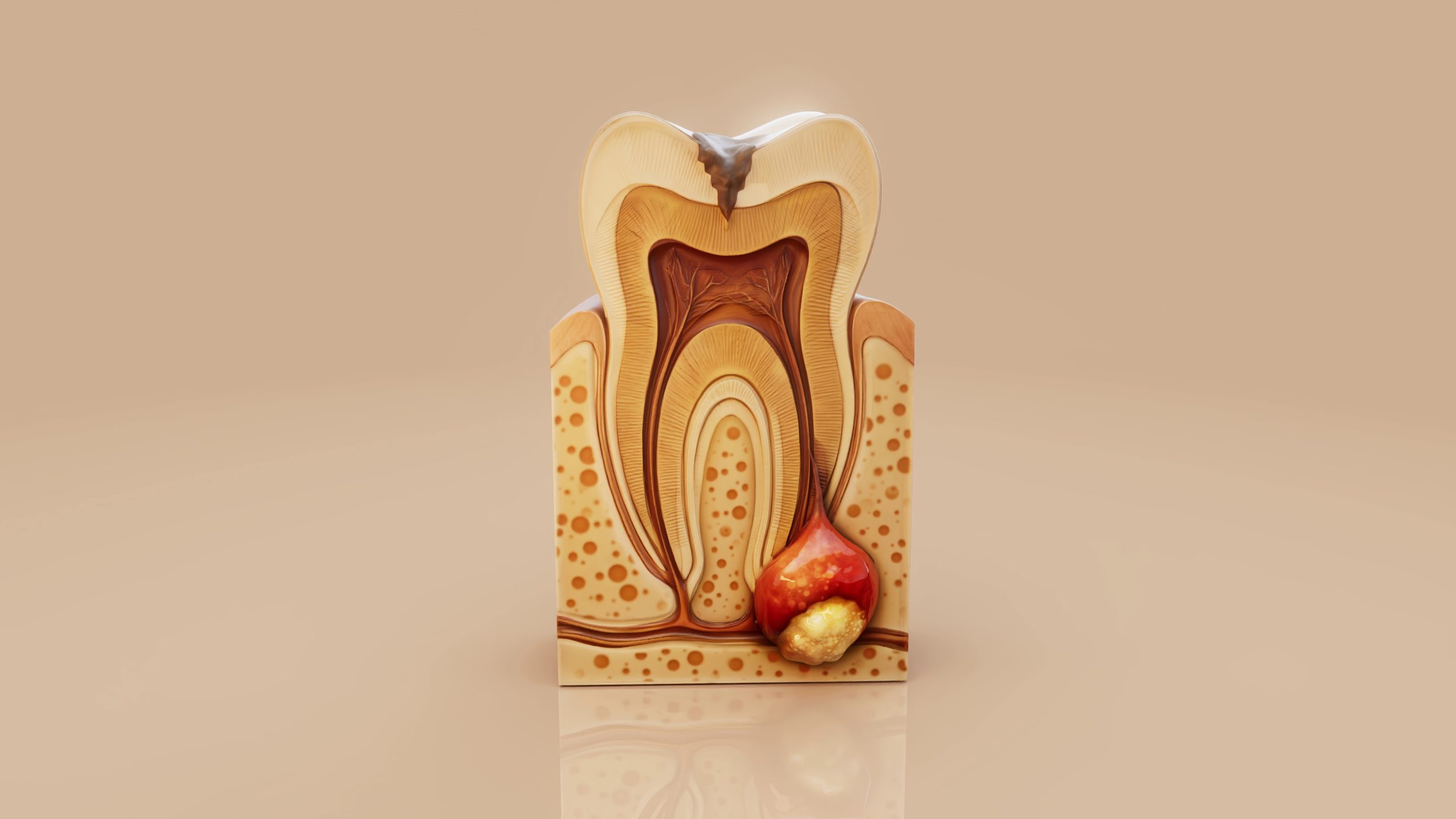

Keeping a healthy mouth is about more than just brushing and flossing every day. Sometimes, teeth get damaged by cavities, accidents, or general wear and tear over the years. Restorative dentistry is a special area of dental care that focuses on repairing or replacing damaged teeth so your mouth can function perfectly again. If you live in New York, finding quality restorative dentistry in Hudson can help you regain the ability to chew comfortably and speak clearly.
The Purpose of Repairing Teeth
The main goal of these treatments is to bring back the natural strength of your bite. When a tooth is cracked or missing, it puts extra pressure on the other teeth, which can lead to more damage over time. By visiting a dental office in Hudson, you can ensure that every tooth stays in its proper place and does its job correctly.
- Function: Restoring a tooth allows you to eat a variety of healthy foods without pain.
- Protection: Fixing a small hole now prevents germs from reaching the sensitive nerves inside the tooth.
- Alignment: Keeping all teeth present prevents surrounding teeth from shifting into the gaps.
Who Needs Restorative Dentistry?
Many people wonder who needs restorative dentistry and if their specific problem qualifies for these treatments. This type of care is helpful for anyone who has a tooth that is no longer whole or healthy. It is not just for older adults; even children and teenagers might need repairs if they chip a tooth during sports or develop a deep cavity.
- People with Cavities: When decay eats away at enamel, a filling is needed to seal the area.
- Individuals with Broken Teeth: Accidents can cause chips or cracks that require a sturdy cover.
- Those with Missing Teeth: Gaps in the smile can be filled with artificial teeth that look and feel like real teeth.
- Patients with Old Repairs: Sometimes older fillings or crowns wear out and need to be replaced with newer, stronger materials.
What Are the Types of Dental Restoration?
There are many different ways a dentist can fix a smile. The specific method used depends on the extent of the tooth damage. Understanding the types of dental restorations helps patients feel more comfortable in the dentist’s chair.
1. Dental Fillings
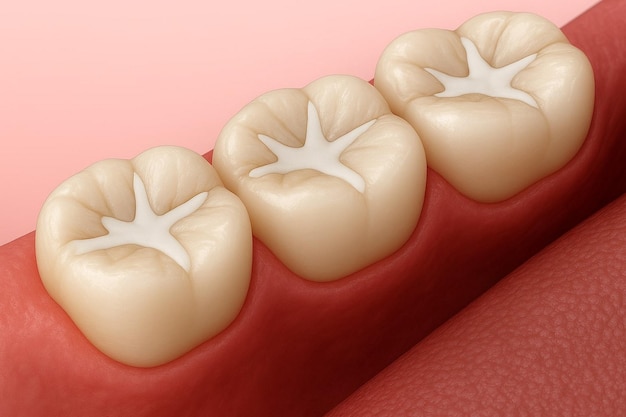
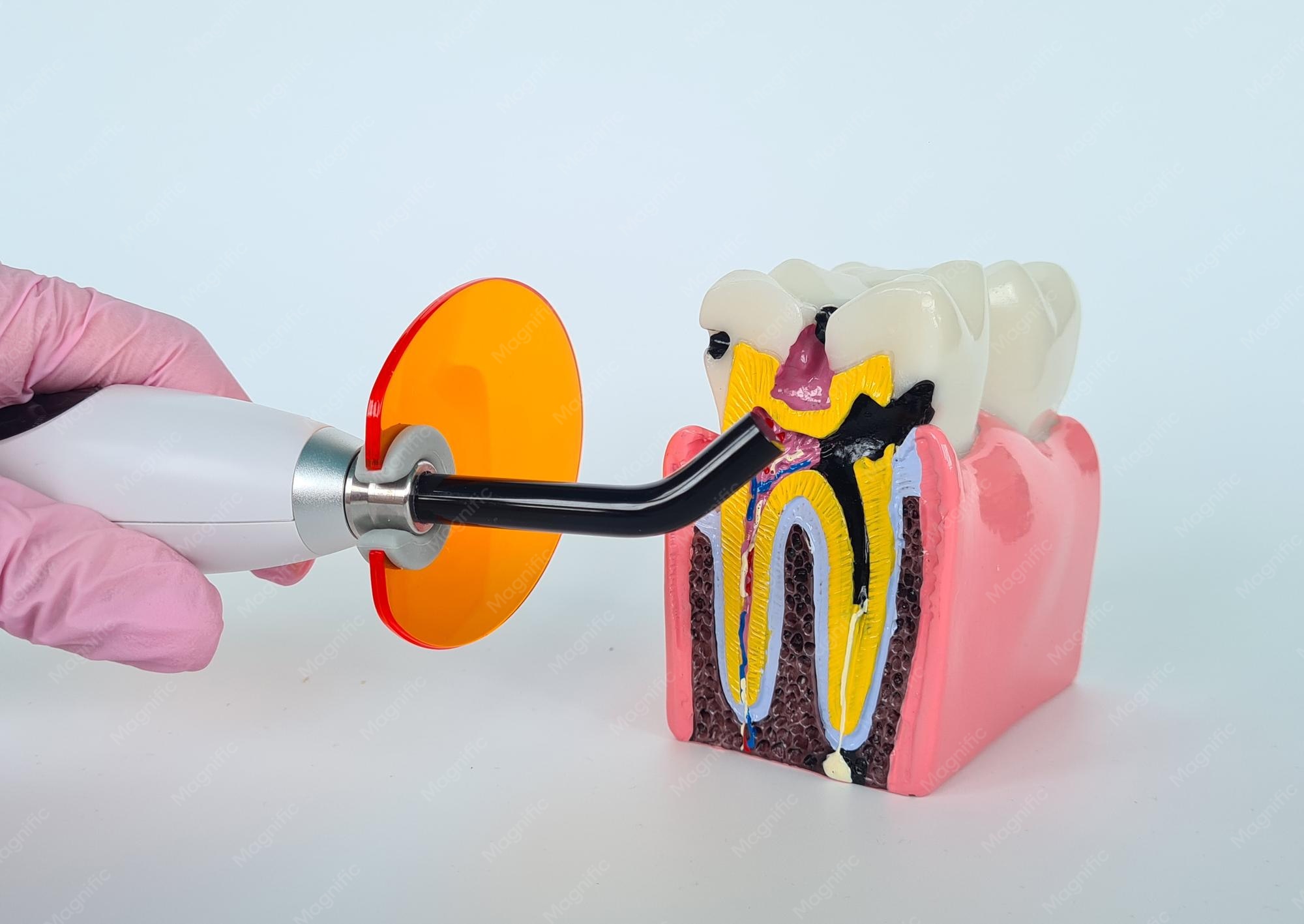
These are used to treat tiny holes caused by decay. The dentist removes the diseased portion of the tooth and replaces it with a material that matches the color of your teeth, like composite resin.
2. Crowns
An entire tooth is covered by a crown, which is a custom-made cap. When a tooth is fractured or too weak for a filling, it is used. By acting as a helmet, it shields the tooth from more harm.
3. Bridges and Implants
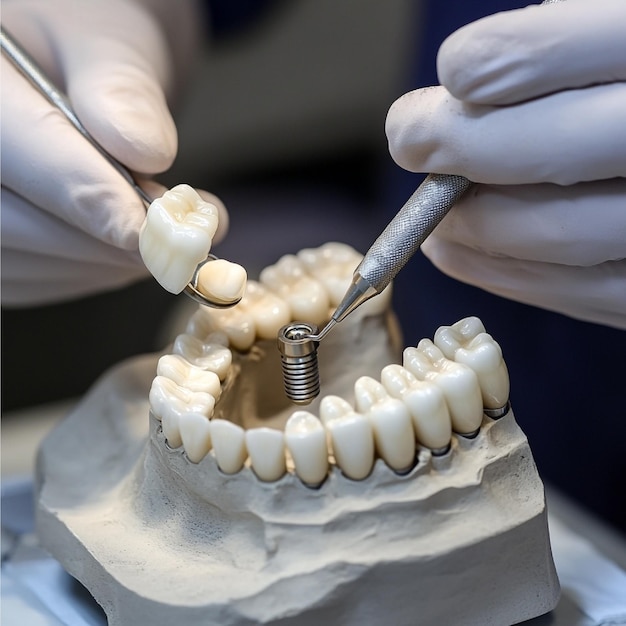
An implant or bridge can be used to fill the space left by a lost tooth. An implant is a small post that functions as a new root for a replacement tooth, whereas a bridge uses the neighboring teeth as anchors.
4. Dentures
For people who are missing many teeth, partial or full dentures provide a way to eat and talk. These are removable but are designed to stay securely in place while in use.
Understanding the Risks and Benefits of Restorative Dentistry
As with any health treatment, it is essential to weigh the risks and benefits of restorative dentistry before undergoing a procedure. For most people, the positives far outweigh any potential downsides.
The Benefits:
- Pain Relief: Removing decay and covering exposed nerves stops toothaches.
- Improved Appearance: Modern materials mimic natural enamel, giving the smile a more complete appearance.
- Bone Health: Implants help keep the jawbone strong by providing the stimulation it needs.
The Risks:
- Sensitivity: Some teeth might feel a bit sensitive to cold or hot drinks for a few days after the work is done.
- Maintenance: Artificial teeth still require cleaning; they are not “set it and forget it” solutions.
- Adjustment Period: It can take a little time for your tongue and cheeks to get used to the feeling of a new crown or bridge.
How the Process Works
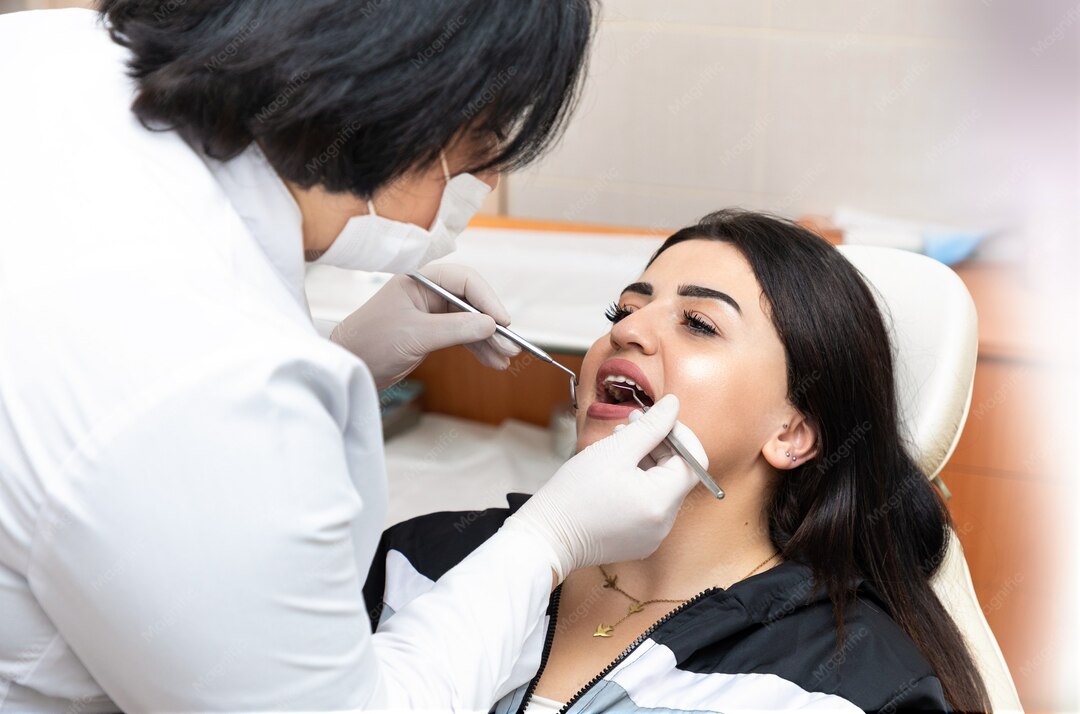
When you visit a dentist for restoration, they usually start by taking X-rays to see what is happening beneath the surface. This detailed imaging enables the team to create a plan tailored to your specific needs. The dentist will then numb the area so you do not feel any discomfort during the repair. Once the tooth is prepared, the restorative material is shaped and polished until it feels smooth and natural against your tongue. Quality dental work should last for many years if you take proper care of it. This commitment means continuing to brush twice a day and visiting the office for regular cleanings. Even though the restoration is not a real tooth, the gums and bone around it still need to stay healthy to support the work.
Confident, Pain-Free Smiles Begin Here
Regaining a full and functional smile is easier. At Hudson Dental Arts, our team is dedicated to providing gentle and effective care for every patient. Whether you need a simple filling or a more complex bridge, our goal is to make sure you leave feeling confident and pain-free. We invite you to visit our office to discuss how we can help you rebuild your dental health. Contact our friendly staff today to schedule a time to discuss your smile goals and learn more about the options available for your care.
Getting here is simple — just follow us on Google Maps for the best route. 📍
Frequently Asked Questions
How long do dental restorations usually last?
Most fillings and crowns last between five and fifteen years, though high-quality materials and good oral hygiene can make them last even longer.
Does getting a crown or filling hurt?
A dentist uses numbing medicine to ensure the area is completely numb during the procedure, so you should only feel light pressure, not pain.
Can a restoration look like a natural tooth?
Yes, modern dental offices use porcelain and resins that can be shaded to match the exact color of your surrounding teeth for a seamless look.
What happens if I ignore a damaged tooth?
Leaving a crack or cavity alone usually leads to an infection, which might require a more complex procedure, such as a root canal, or the tooth may be lost entirely.