Cavities remain a common oral health concern for both children and adults, leading many individuals to explore preventive treatment options. If you are searching for a dentist near you, learning about preventive treatments like dental sealants may help you better protect your teeth.
While regular brushing and flossing are essential parts of oral hygiene, certain areas of the mouth may still need extra protection. The chewing surfaces of the back teeth contain deep grooves and pits that can easily trap food particles and bacteria. Because toothbrush bristles are often too thick to clean these narrow spaces effectively, dental sealants offer a practical way to help shield vulnerable tooth structure from decay.
What Are Dental Sealants?
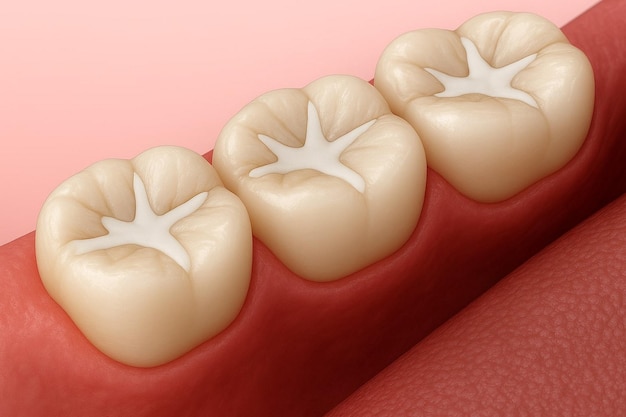
A dental sealant is a thin protective coating made from a special dental material. It is placed on the chewing surfaces of the back teeth, mainly the molars and premolars. The sealant covers the deep grooves and small pits in the teeth, creating a smooth protective layer.
- The coating acts as a physical shield against plaque and acid.
- The application process is entirely non-invasive and does not require drilling.
- The resin material blends naturally with the tooth color for a discreet appearance.
How Does The Application Process Work?
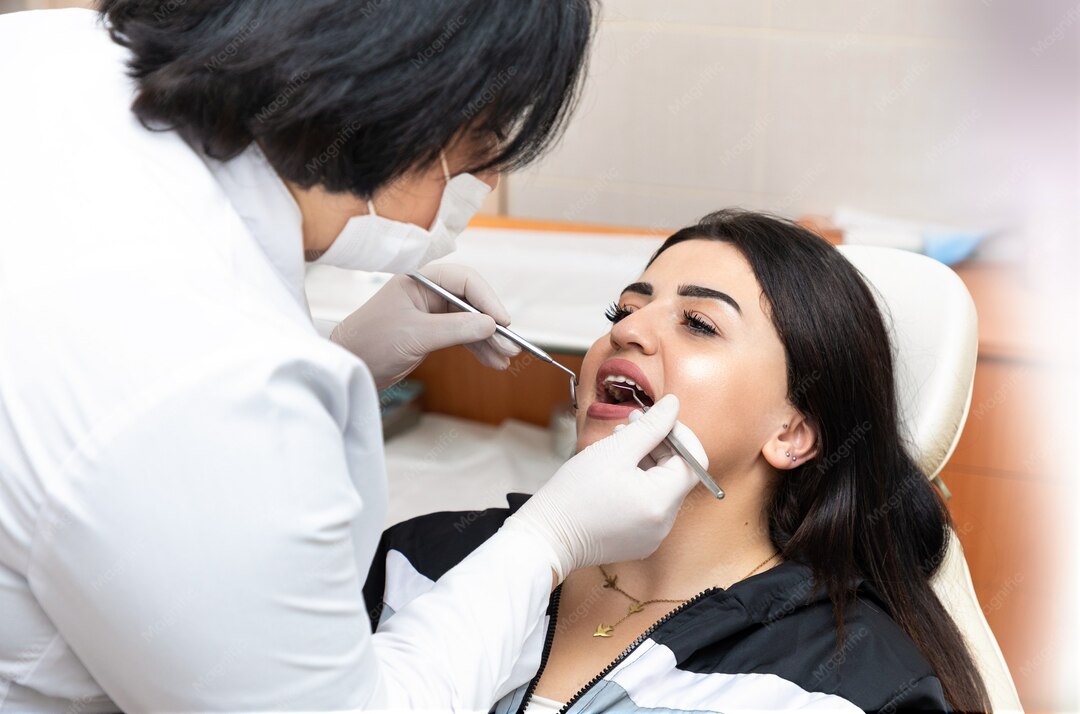
Patients can get dental sealants in Hudson during a regular dental visit. The process usually takes only a few minutes per tooth and includes a few simple steps to help the sealant adhere properly to the tooth surface.
- Cleaning the tooth: The professional thoroughly cleans the target tooth to remove plaque and food debris from the grooves.
- Drying the surface: The tooth is thoroughly dried, and an absorbent material is placed around it to keep the area dry.
- Preparing the enamel: A mild conditioning solution is applied to the chewing surface to slightly roughen the enamel, helping the sealant bond effectively.
- Rinsing and drying: The conditioning solution is rinsed away, and the tooth is dried a second time.
- Applying the sealant: The liquid resin is applied directly to the enamel, flowing into deep pits and grooves.
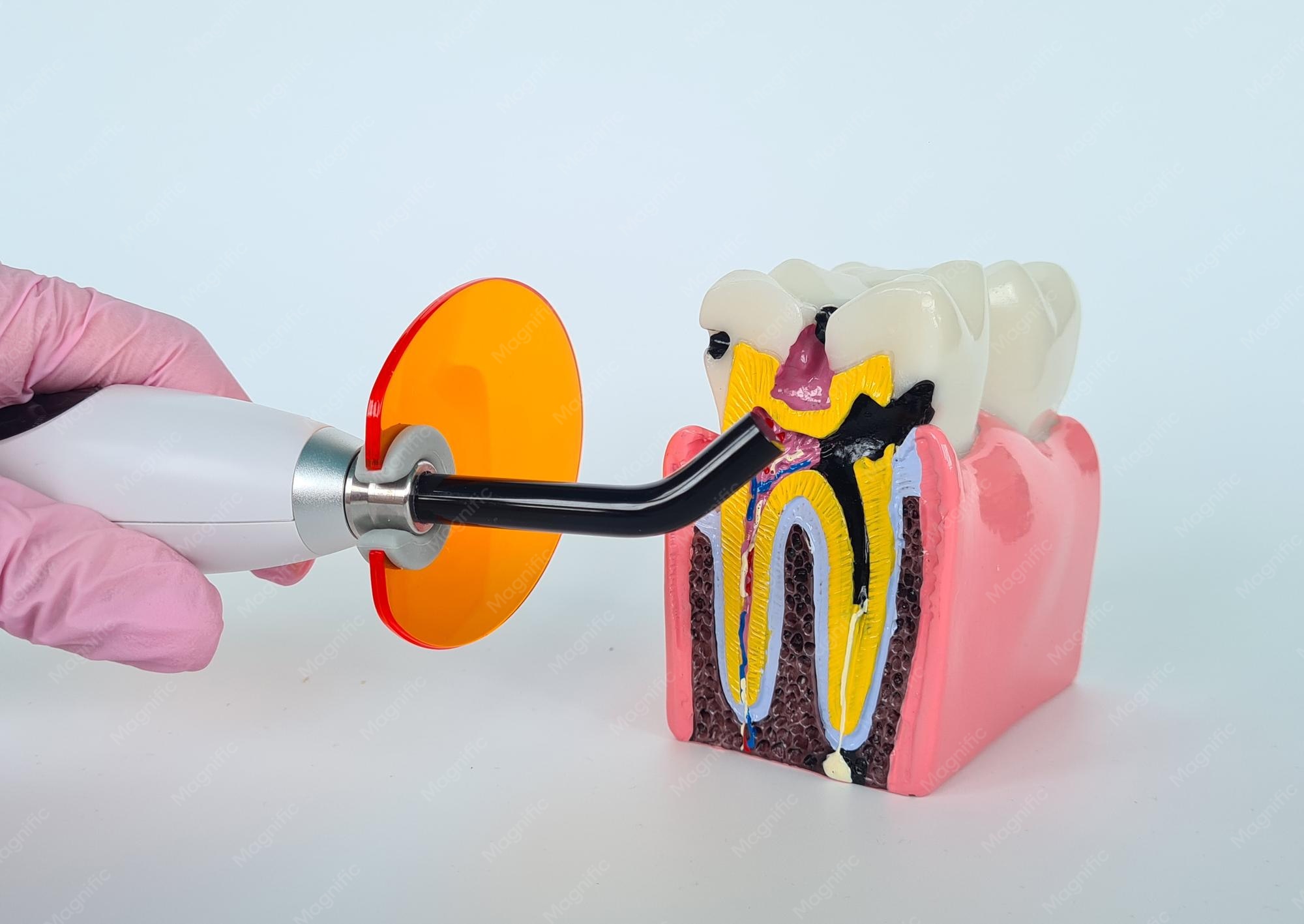
- Curing the material: A curing light is focused on the tooth for a few seconds to harden the resin material.
Why Are Back Teeth More Susceptible To Decay?
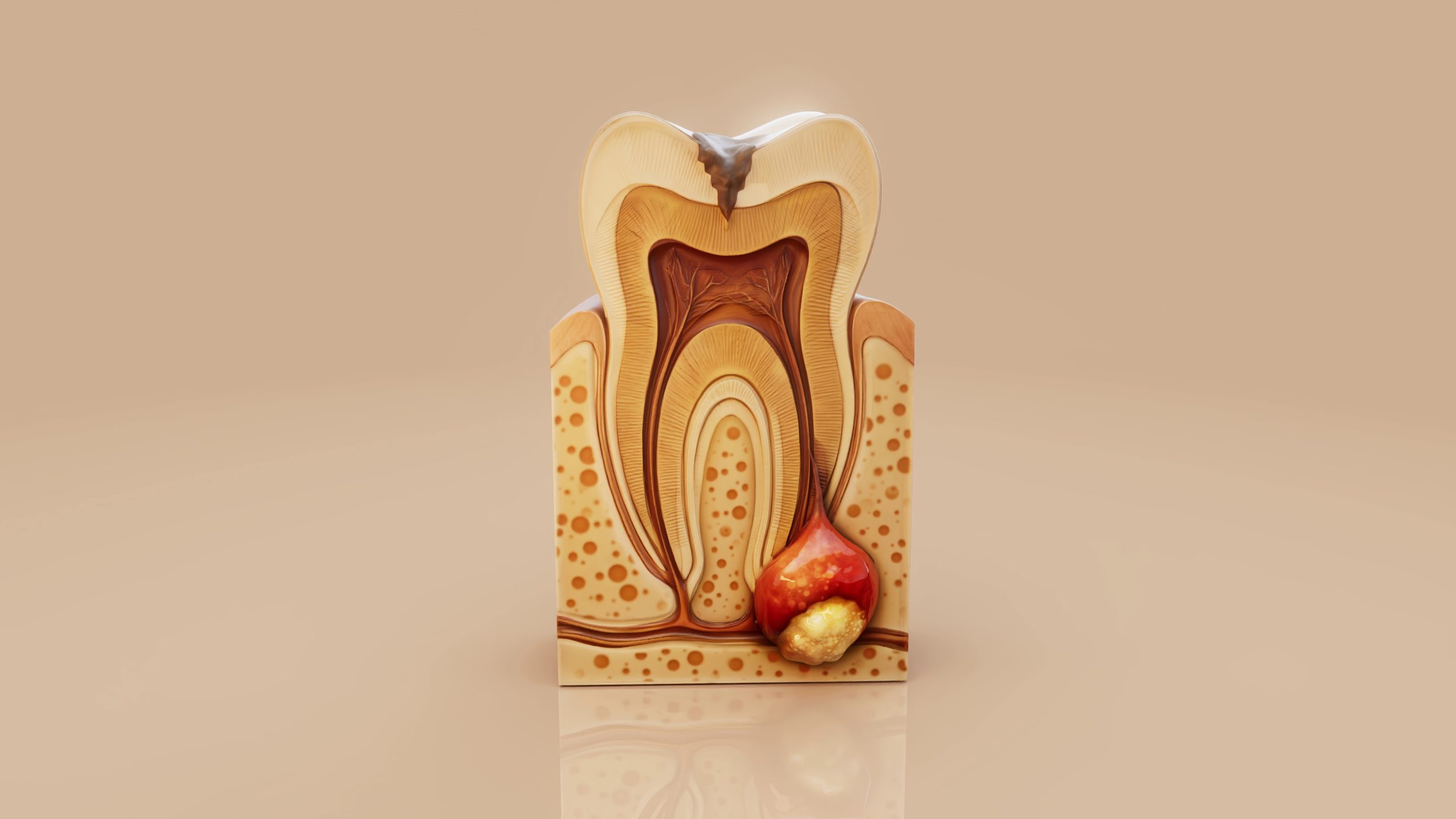
Molars and premolars are more likely to develop cavities because of their shape. These back teeth have deep grooves and small pits that help chew food, but they can also trap food particles and bacteria more easily than front teeth.
- Food particles can easily become wedged deep within these narrow grooves during meals.
- Saliva cannot always reach into the deepest pits to naturally wash away bacteria.
- Standard toothbrush bristles frequently glide over the tops of these crevices without cleaning the bottom.
- Plaque accumulation in these hidden areas can gradually weaken the enamel over time.
Who Can Benefit From Getting Dental Sealants?
While dental sealants are often recommended for children, people of different ages can also benefit from them. A dental professional can examine the teeth to see if sealants are a suitable option based on their current condition.
Is This Treatment Suitable For Children And Teenagers?
Children and teenagers are often ideal candidates for sealants because their newly erupted permanent molars are highly susceptible to decay. Applying the coating shortly after these teeth emerge helps protect the enamel during the years when cavities are most likely to develop.
Can Adults Also Receive Dental Sealants?
Adults without fillings or cavities in their molars may also benefit from dental sealants. If an adult has deep grooves in their teeth or often gets cavities, a dental professional may recommend sealants to help protect their natural teeth.
How Long Do Dental Sealants Usually Last?
Dental sealants can protect for several years, though they are subject to normal wear and tear from daily chewing. During regular checkups, a professional will examine the coating to ensure it remains intact.
- The resin material can withstand normal biting forces for extended periods.
- If a sealant becomes chipped or worn, the material can be easily replaced.
- Maintaining good home care habits helps support the longevity of the protective layer.
What Role Do Sealants Play In Overall Preventive Care?
It is important to remember that sealants protect only the chewing surfaces of the back teeth. They do not replace regular flossing, which helps clean the tight spaces between teeth where a toothbrush may not reach. If you are considering dental sealants near you, they can be a helpful addition to your oral care routine and may help provide long-term protection against cavities.
When combined with regular cleanings and a healthy diet, this preventive treatment may help reduce the risk of serious dental problems that may require major treatment later. If you are looking for a dentist in Hudson, scheduling a visit can help you learn more about the preventive care that may be right for you.
Scheduling Your Next Appointment
Preventive treatments can help support healthy teeth and gums over time. Contact Hudson Dental Arts to learn whether dental sealants are a good option for you and your family.
Frequently Asked Questions
Do dental sealants cause discomfort during application?
The application process is completely non-invasive and does not require any drilling or numbing medication.
Can sealants be placed over existing cavities?
Sealants are designed purely for prevention and cannot be placed overactive areas of tooth decay.
How do you clean teeth that have sealants?
You should continue to brush twice daily and floss regularly, just as you would with natural teeth.
Are dental sealants visible when talking or smiling?
Because the material is clear or tooth-colored, the coatings are generally not noticeable during normal conversation.