Choosing how to restore a smile involves understanding various clinical solutions and how they impact oral health. When you visit a dentist in Hudson, the evaluation usually begins with an assessment of the jawbone density and the health of the surrounding gums. Missing teeth can lead to bone resorption and shifting of adjacent teeth, making a timely replacement plan essential for maintaining facial structure.
What Are Dental Implants?
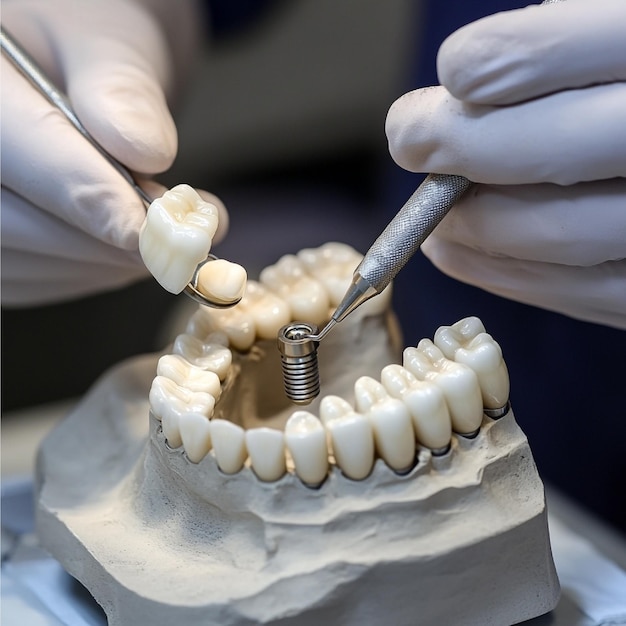
A dental implant is a small titanium post that acts like a fake tooth root. A dentist places it into your jawbone, where it slowly bonds with the bone and becomes stable. After it heals, a connector is added, and a custom crown (artificial tooth) is placed on top. This tooth works on its own and does not need support from nearby teeth. That’s why many patients choose dental implants in Hudson as a long-lasting solution. Implants also help keep your jawbone healthy and maintain your natural face shape, preventing the sunken look that can happen when teeth are missing.
How Do Implants Compare To Other Replacements?
While several options exist for replacing missing teeth, each serves a specific purpose. Your choice often depends on your oral health history and long-term goals.
- Fixed Bridges: These are used to fill a gap by placing crowns on the teeth next to it, which hold an artificial tooth in place. This method works well, but it requires shaping and reducing healthy enamel from the nearby teeth to support the bridge.
- Removable Dentures: These are made for people who have either a partial or a complete loss of teeth. They can be removed for cleaning. They usually require an adhesive to hold them in place. Removable dentures do not prevent bone resorption and can sometimes slip when speaking or chewing.
- Dental Implants: These are surgically inserted into the jawbone to serve as artificial tooth roots. They aid in maintaining bone health and ensure a permanent solution to the patient’s problem.
Who Is A Candidate For This Procedure?
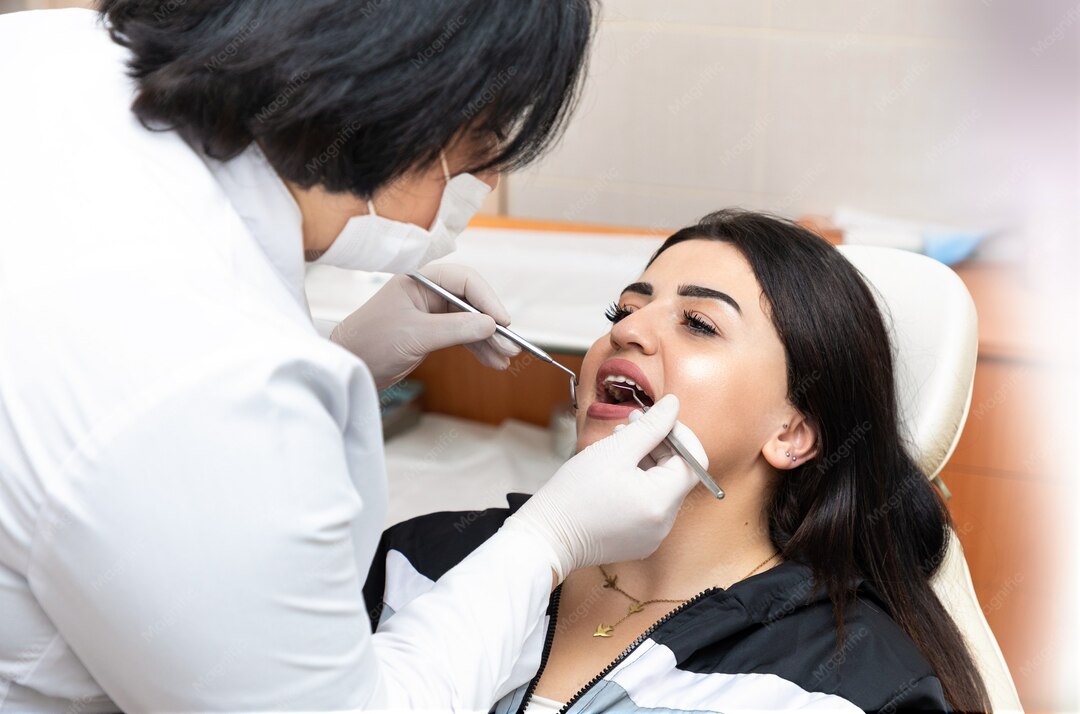
The first step is to visit a dentist near you for a check-up to see if this treatment is right for you. Good results depend on having enough healthy jawbone and no active gum disease. If you have health issues like uncontrolled diabetes or if you smoke heavily, healing may take longer or be less successful.
Your dentist will do a full exam, often using 3D scans, to check if your bone can properly support the implant.
What Does The Treatment Process Involve?
The journey toward a restored smile is a multi-stage process that requires patience. After the initial surgical placement, a healing period of several months is usually necessary for the site to become fully integrated. Once the post is secure, the final crown is designed to match the shade and shape of your natural teeth. Utilizing dental implants near you allows for convenient follow-up appointments during this months-long recovery phase to ensure the tissue heals correctly.
Are There Risks Or Limitations?
Like any surgery, there can be some risks such as infection, nerve irritation, or the implant not healing properly. No dental treatment can guarantee results for a lifetime or be completely free of discomfort, since everyone heals differently.
You also need to care for implants just like natural teeth. This includes regular dental check-ups and good daily cleaning to prevent gum and bone problems around the implant area.
Take the First Step Toward a Restored Smile
Hudson Dental Arts offers full check-ups to find the best treatment for your dental needs. You can talk to our team about your concerns and understand how tooth replacement works.
We focus on clear information so you can make the right choice for your smile with confidence.
Common Questions Regarding Tooth Replacement
How long do dental implants typically last?
With proper oral hygiene and regular professional checkups, these restorations are designed to be a long-term solution for many years.
Is the surgical placement of an implant painful?
Local anesthesia is used during the procedure to manage discomfort, though some soreness is expected during the subsequent healing phase.
Can anyone get dental implants regardless of bone density?
Patients with significant bone loss may require additional procedures, such as bone grafting, before the site is ready for an implant.
How do I clean a dental implant?
You should brush and floss around the restoration just as you do with natural teeth to keep the surrounding gum tissue healthy.