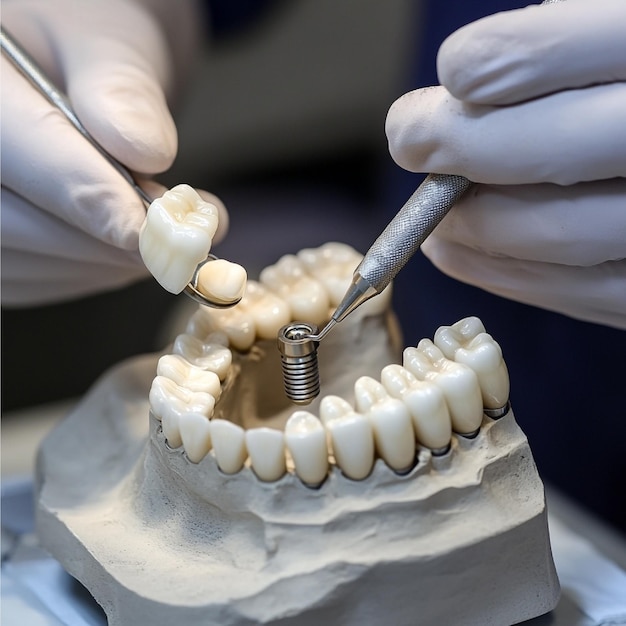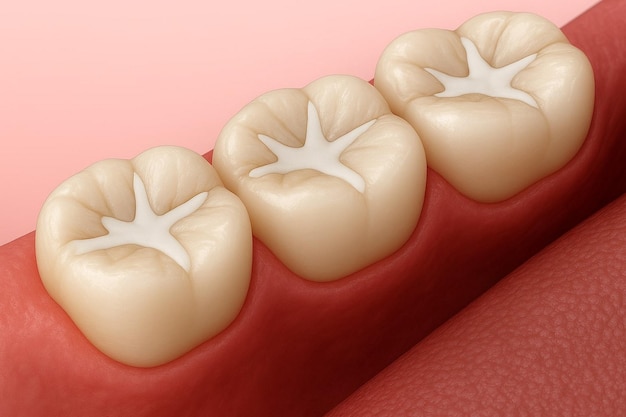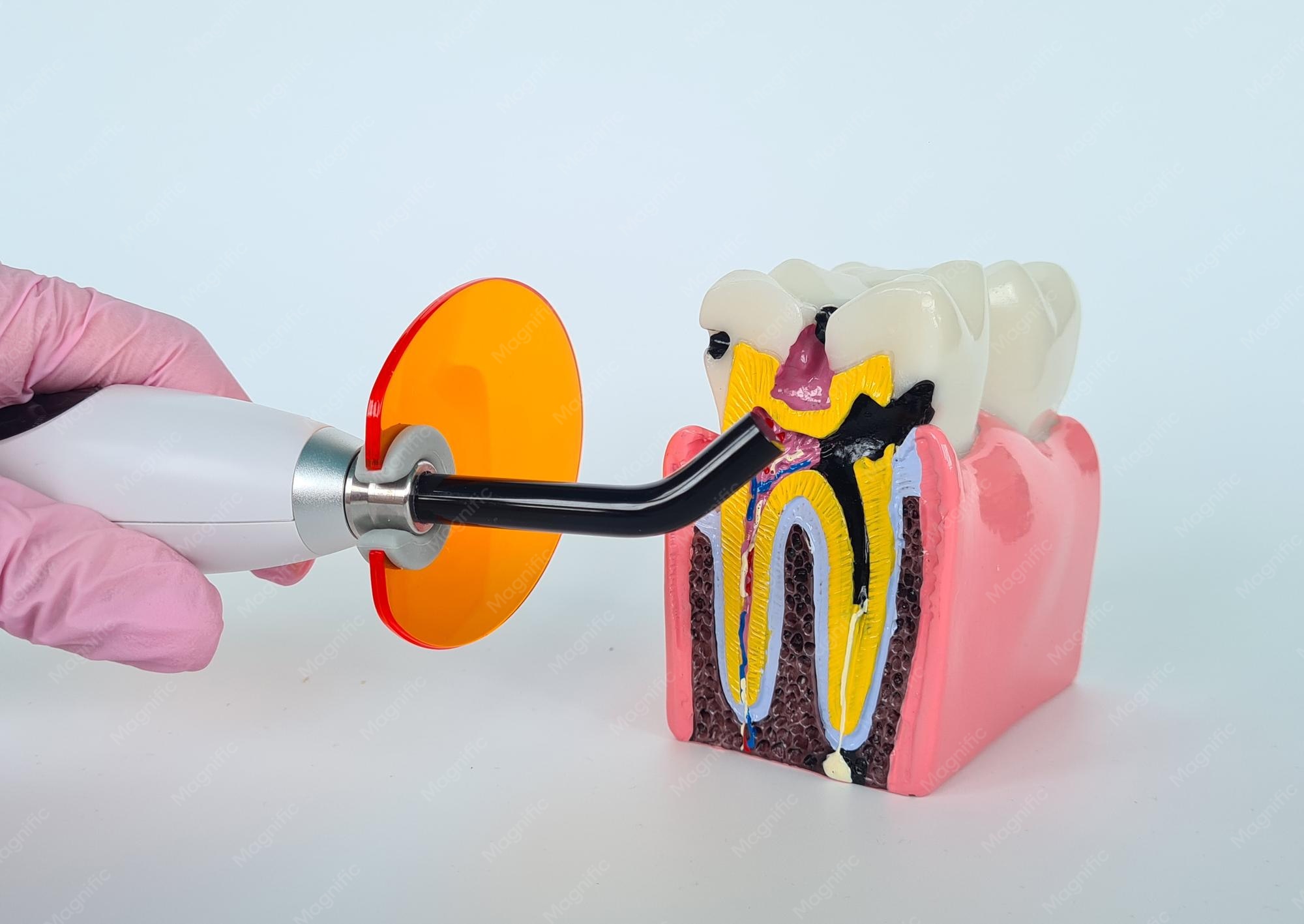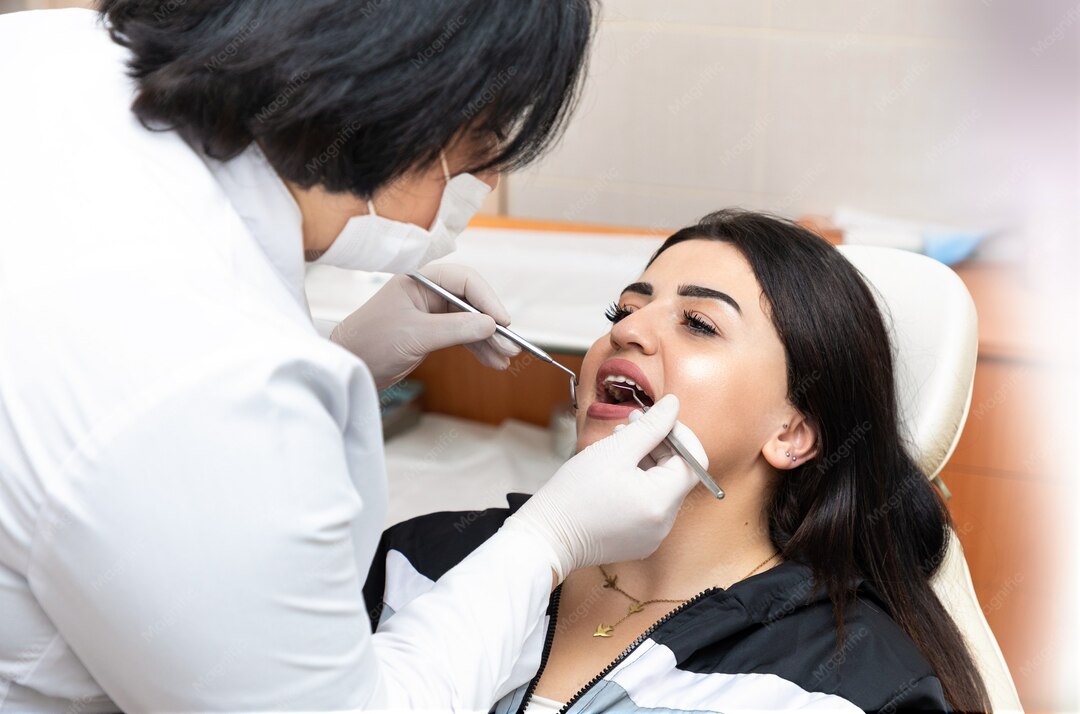

A severe, throbbing toothache usually means a deep infection has reached the soft inside of your tooth. When a cavity or crack goes past the hard outer enamel, germs can attack the sensitive nerves inside.
Visiting a dentist in Hudson allows you to catch this problem early and fix the damage before it spreads to your jaw. Inner tooth therapy is a safe, easy way to clear out germs and stop chronic mouth pain.
Instead of pulling the tooth out completely, this standard treatment fixes the inside so you can keep chewing comfortably.
The Step-by-Step Way to Fix an Infected Tooth
Cleaning out a deep infection requires a few careful steps to ensure all the germs are gone from the root tunnels. The whole process focuses on cleaning, drying, and sealing the hollow spaces inside the broken tooth.
- Making a Small Opening: A tiny hole is drilled through the top chewing surface of the tooth to reach the infected inner area.
- Taking Out the Damaged Tissue: Special, tiny tools gently remove dead nerves, blood vessels, and bacteria from the root canals.
- Cleaning and Shaping the Tunnels: The inner tunnels are scrubbed and rinsed with germ-killing solutions to remove any remaining dirt.
- Filling the Empty Spaces: The clean root pathways are packed tightly with a rubbery, clean dental material to block out future germs.
Common Signs That Your Tooth Roots Are Infected
- Long-Lasting Hot and Cold Pain: Bad pain that lasts for several minutes after drinking hot coffee or cold water indicates nerve damage.
- Sharp Pain When Chewing: A sharp flash of pain whenever your teeth press down on food indicates the root tip is swollen.
- Swollen and Sore Gums: A small pimple on your gums near the painful tooth indicates an active infection.
- The Tooth Turns Dark: A tooth that slowly turns dark gray or black usually means the inside blood vessels have died.
- Getting Professional Help: Booking an immediate exam to receive endodontic therapy in Hudson helps stop the deep infection from spreading throughout your body.
Comparing Root Fixes with Pulling the Tooth Out
| Treatment Choice | Fixing the Root Canal | Pulling the Whole Tooth |
| Keeping Your Real Tooth | Keeps your real, natural tooth root safely inside your jaw | Removes the entire tooth from your mouth permanently |
| How It Feels | Stops your toothache right away with very little soreness after | Leaves an open gum wound that takes several days to heal |
| Future Work Needed | Only needs a simple protective porcelain cap on top | Needs an expensive fake replacement bridge or a metal implant |
| Effect on Other Teeth | Keeps your bite steady and stops other teeth from moving | Causes nearby teeth to slowly tip and drift into the empty gap |
Long-Term Benefits of Keeping Your Real Teeth
- Keeps Your Natural Biting Power: Keeping your real root lets you bite into hard, crunchy foods without any weird feelings.
- Protects Your Jawbone Shape: A real tooth root keeps your jawbone active every time you chew, which stops the bone from shrinking over time.
- Saves Your Money and Time: Saving a tooth right away prevents the need for multiple expensive surgical visits for fake implants later.
- Finding the Right Team: Talking to a dentist near you ensures the tooth you’re treating gets covered with a beautiful cap that blends in perfectly.
Care Steps to Keep Your Healed Tooth Safe
- Eat Soft Foods at First – Stick to soft meals like soups, smoothies, and mashed potatoes until your final permanent cap is glued on.
- Brush and Floss – Keep the area around the temporary filling clean by brushing carefully with a soft brush every single night.
- Do Not Chew on Ice – Stop crunching on hard ice cubes or hard candies to prevent the weak, unprotected tooth shell from cracking.
- Get Your Final Crown – Make sure to return for your permanent porcelain crown to seal the tooth against heavy everyday biting pressure.
- Finding Fast Local Care – Choosing a modern team for endodontic therapy near you makes it easy to schedule quick follow-up checks.
Save your Natural Smile with Advanced Dental Solutions
Fixing a deep root infection early is the best way to stop chronic tooth pain and protect your natural smile for years to come.
At Hudson Dental Arts, our dedicated team uses modern, exact tools to perform gentle root treatments that keep you completely comfortable from start to finish.
We are fully committed to providing a calm, supportive environment where your personal health and peace of mind always come first.
You deserve dental care that keeps you smiling with complete confidence. Call our office right now to book your examination visit, reach out today, and let us help you get started!
FAQs
Does getting a root canal treatment hurt a lot during the visit?
No, the treatment is very comfortable because the dental team uses strong numbing liquids to completely freeze the tooth and gums before starting. Most patients feel the same amount of pressure as during a regular cavity-filling visit.
What happens if I decide to ignore the pain and skip my root canal?
If you ignore the problem, the hidden germs will slowly spread from the root tip into your surrounding jawbone. This creates a painful, swollen pus pocket that can destroy the bone and force the tooth to fall out on its own.
How many years will a tooth last after it gets a root canal treatment?
A tooth that has been properly treated and covered with a strong porcelain cap can easily last for the rest of your life. You need to take good care of it by brushing twice a day and getting regular professional cleanings.
Can a tooth get a regular cavity after the inner nerves are removed?
Yes, the outer shell can still get a normal cavity because germs can live on the surface of any real tooth. Since the inner nerve is gone, you will not feel any pain, which is why regular X-rays are needed to catch decay early.